Movies Chinchillas Degus Persian Jirds Baby Jirds Gerbils Cages Guinea Pigs Search
eRodent > Chinchillas > Rodents and Chewing

Rodents and Chewing

Feeding for Tooth Health Toys for Tooth Health Destruction Control

This page is about chewy rodents with information on feeding for teeth health and protecting your property against damage. Feel free to contact me with ideas. Nire information about feeding healthy chinchillas, degus and guinea pigs is found on the feeding chinchillas page.

This is an excellent post on dental problems in rabbits which is also relevant to all rodents that eat a mostly hay diet such as chinchillas, degus and guinea pigs. The Dacross vetinary dentistry website has a wealth of information including a very interesing document on Management of rabbit and rodent tooth elongation.

Rodents have teeth that grow continually; not just their front teeth, but their molars at the back. This is because their diet is naturally tough and requires a lot of chewing - if their teeth did not grow then they would soon wear out. In captivity this means two things:

  • They need appropriate food and toys.
  • They can cause a lot of damage to their surroundings.


  • Feeding for Tooth Health

    As already said, rodents need to chew continually to keep their teeth in good condition. Some are more inclined to gnaw than others. Gerbils and Jirds are very destructive followed by degus and chinchillas, whereas guinea pigs tend to chew toys a lot less. Regular weighing is worth doing to ensure that you pet is not loosing weight. Chinchillas can sometimes loose weight in the summer without there being anything wrong but weight loss of more than 5% of body weight in a couple of weeks might suggest a checkup is needed the vet (divide your pet's weight by 20 e.g. for a 600g chinchilla 600/20 = 30g). An animal that isn't eating needs an urgent visit to the vet as this could well be something very serious.

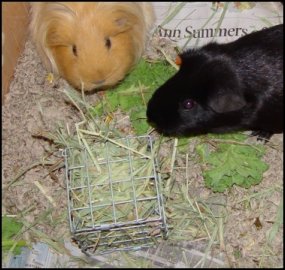
    But whilst guinea pigs do not generally use chew toys, they do need to graze continually. Since it is not generally practical to put them out on a lawn all day, every day, this means that they should be provided with an unlimited supply of good quality hay. Timothy hay such as Oxbow Western Timothy or that supplied by
    Chinchillas2Home is quite coarse and very popular with small animals. Failing that good quality meadow hay which should not smell musty or dusty. To stop it getting soiled hay should be put in a hay rack or a metal "hay cube".


    Degus and Chinchillas also need an unlimited supply of good quality hay. This is particularly important to grind down their molars. They can be very prone to teeth problems, and so it is important to encourage them to chew and wear their teeth down continually. In order to do this, once a chinchilla or degu is fully grown (and not pregnant or feeding) it is worth limiting the amount of pelleted food that they are given so that they have to eat their hay for a few hours each day. Mixed food (with different bits in) is not really a good idea. This is because they tend to pick out the bits that they like and leave the rest. This can lead to teeth problems because they aren't getting all the correct nutrients and/or the bits that they eat may be the easy to chew ones. If the only food that you can get is a mix then do not feed any more until they have eaten every scrap. If degus are fed a mix of chinchilla and guinea pig pellets make sure that they eat all of them before giving any more.

    It is virtually impossible to get hold of a pelleted food for gerbils and jirds so the only solution is to try to make sure that they eat every scrap. This can be quite difficult when they tend to bury or store the food (degus can also hide food around the cage). The best bet is to only feed a tiny amount at a time.

    All small and furries also need varying amounts of fresh veggies - for more information see the Feeding page.

    Toys for Tooth Health

    Degus, Chinchillas, Gerbils and Jirds should be provided with chew toys. There are loads of commercial chew toys available at pet shops try the
    Environment Enrichment and Pet Shopping pages for more ideas. They should always have something made from wood, or a chew stone such as pumice, in their cage.

    Destruction Control

    There is no doubt that rodents are destructive. For those that spend most of their time in their cage such as gerbils and jirds this tends to just mean that they need a wire or mesh cage and that toys should not be made out of plastic. I have heard that chewed up plastic toys can cause serious problems with their insides and it's probably not worth the risk. Wheels are often the biggest problem as metal ones can be difficult to get hold of - try the
    Wheels page for more information, but as you will see even metal wheels aren't immune.

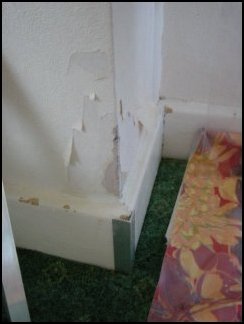
    However chinchillas are often allowed out of their cage to play. And new owners often find to their horror that chinchillas will just as happily chew up the house as their toys. See below for a picture of what they did to my wall - they just love stripping wallpaper! Unfortunately I had to do the rest of it and paint. For those allowed out the rule is removal, protection, distraction. I take everything chewable out of the room - in case you haven't already worked this one out the rubber buttons on telephones and remote controls are just wonderful to chew off. Super glue will sometimes stick them back on. And my two will cheerfully shred house plants regardless of whether they are poisonous or not.

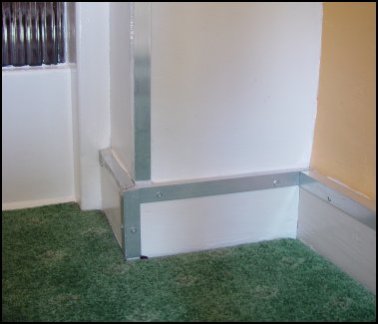
    IMPORTANT WIRES: It is pretty much impossible to adequately protect wires from chinchillas. And every so often I hear of the sad case of someone's chinchilla being electrocuted. Even if this does not result in death, the chinchilla will have nasty burns in it's mouth and will not be able to eat properly requiring hand feeding for weeks. You must take a chinchilla who has had an electric shock straight to the vet. Remove all electrical appliances from the room and even if you feel that you have protected a wire, make sure that it is turned off at the wall when they are out. Once I had re-decorated we needed to protect the wall and skirting boards from little gnashers. So we bought some angle aluminium from a DIY store and screwed it to the skirting boards and used sticky pads to fix it to the wall. Very effective and not that ugly (although it might be a problem when we come to sell the house - I will need to unscrew it and fill the holes). If you have an older house be aware that there may be lead paint on your woodwork and even if it has been painted over flakes swallowed by a chinchilla may poison it.

    What they did Repaired

    The room also has large wooden doors in it. To protect this I have bought two large sheets of corrugated clear plastic from a DIY store, which I keep in the corner and lean against the door when they are out. You can also get sheets of Perspex which are designed for secondary double glazing which are very good for protecting things.

    You can buy a stop chew liquid that tastes really foul, I use the one from the Chinchilla Rescue Service shop. However I haven't found that it works that well on things that are very tempting to chew such as skirting boards - generally they just chew anyhow. It can be very useful for fur chewing though and I always keep some in.

    Some people have used pens sold for puppies and rabbits to restrict the area in which their chinchillas can run in a room. Do not leave them unattended in these as there is always the risk that they will get themselves into trouble on the mesh. They can actually be quite good climbers. Generally it isn't a good idea to leave a chinchilla unattended when out anyway - there's always trouble that they can get themselves into. Often people will let their chinchillas out in their bathrooms which is fine as long as you always keep the toilet lid down as they will get into it and get very wet - it's just too tempting. Wet chinchillas need to be dried completely to stop them getting cold or problems with their fur such as fur fungus. Small animals can drown in toilets and if you have them it's worth having a house rule of always keeping the lid down in case of escapes.

    Another idea is to provide as much distraction as possible by having a big pile of interesting stuff to play with. Old food boxes to explore, bits of wood or pine cones to pick up and run off with, a small amount of oats scattered around the floor to find. This can work quite well when supervised in a protected room - but they'll soon work out which bits are more interesting to destroy i.e. the stuff you don't want them to.

    Back to Main Page